Buen Pela’o: The Roots of Peace, Investing in Childhood
Para leer este artículo en español: Buen Pela'o: Las raíces de la paz, una apuesta por la niñez
Buen Pela’o: The Roots of Peace, Investing in Childhood is a story shared by Global Shapers Panama City, a CSPPS member, highlighting the importance of investing in childhood as a foundation for preventing violence and building safer, more peaceful communities in Panama. Through art, sport and education, the initiative creates opportunities for children and young people to grow, connect and contribute to a more hopeful future.
In this article, Global Shapers Panama City reflects on the importance of working with children and strengthening the communities around them as a way to build peace long before violence emerges.
BUEN PELA'O: THE ROOTS OF PEACE, INVESTING IN CHILDHOOD
At a school in Panama City, a student is found with a firearm in a classroom during a surprise inspection. Somewhere in the country, a ten-year-old boy is given his first “mission”: to watch over a gang-controlled street corner in exchange for food and the promise of belonging. In a single neighbourhood of the city, 36 young people lost their lives during the first half of the year as a result of gang rivalries and acts of violence. None of these stories made the headlines, and they are not isolated incidents; they simply happened, and the country chose to look the other way.
These are visible manifestations of a problem that often begins much earlier: in communities where violence is normalised, in households affected by vulnerability, in the lack of opportunities, and in narratives that portray weapons and violence as symbols of power, respect, money or belonging.
During the first half of 2026, the Senior Prosecutor’s Offices for Adolescents received 3,022 complaints concerning criminal offences committed by minors. The justice system only judges the fruit, while the State forgets the seed: behind every statistic there is a story, a family and a journey that began long before arriving in the justice system. This is precisely where Buen Pela’o was born: from the conviction that preventing violence means acting before it becomes visible. It means creating safe spaces and providing tools so that children can recognise their own potential, develop new skills and project themselves into futures that challenge the circumstances into which they were born.
MORE THAN A NAME, A MEANING
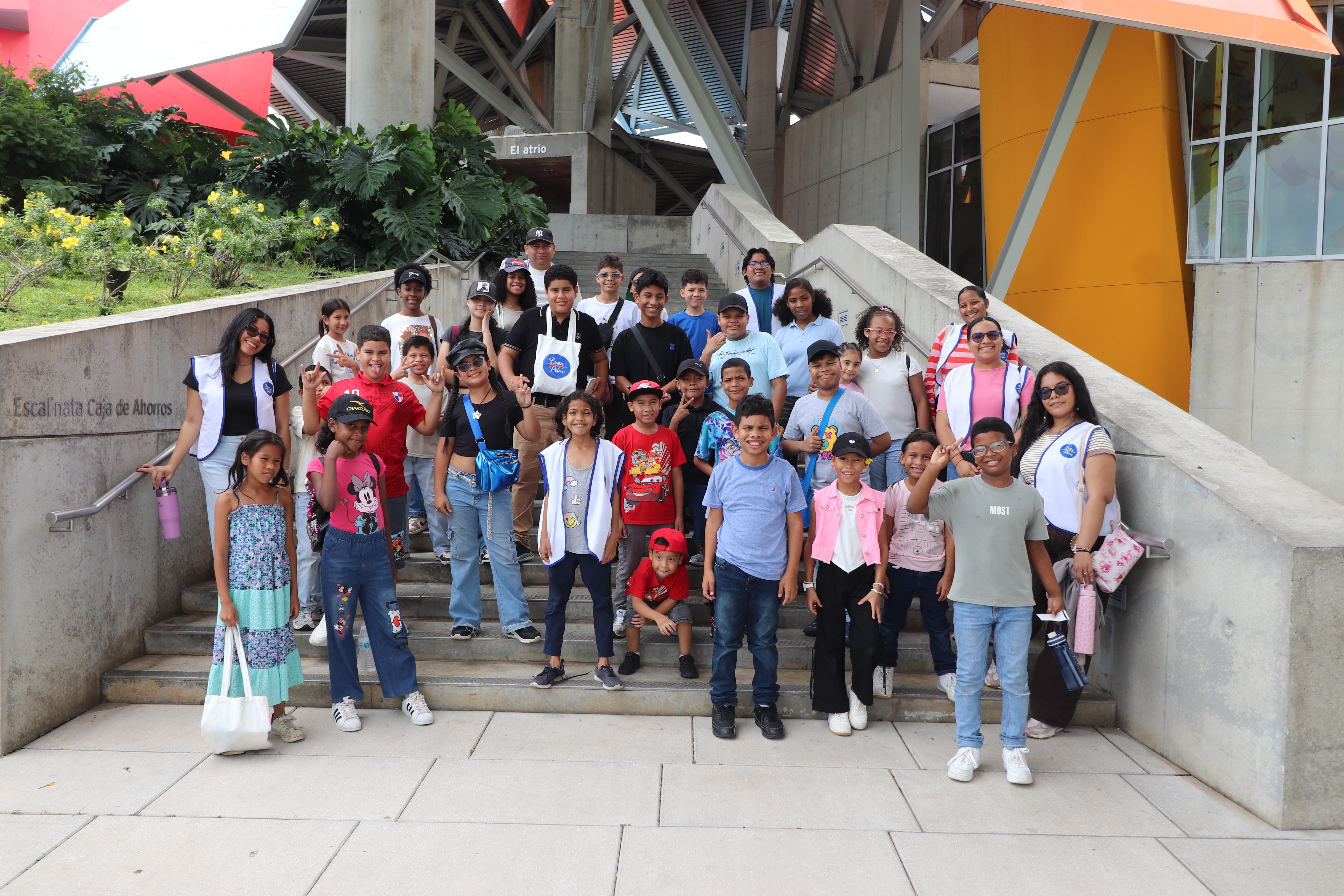
Buen Pela’o was born in 2023, during the UNAOC Young Peacebuilders programme, from a simple but profound question: what do children understand when we talk about peace, conflict and violence? The first experience brought conversations about these concepts into a primary school in Chilibre, where 110 children had the opportunity to reflect on how they experience and understand violence in their own surroundings.
In 2024, during UNLIREC’s GenerAcción Paz programme, the project took another step forward, incorporating art and sport as tools for fostering a culture of peace. In 2025, Buen Pela’o partnered with the local government of Juan Díaz, developing activities with 60 girls and boys through creative workshops and educational excursions.
Today, in 2026, the project has reached San Miguelito. Together with the municipality and a network of more than 15 partners from different sectors, we are working with 40 children and their families to strengthen skills, create safe spaces and offer an alternative in a context where violence continues to be a central concern.
But Buen Pela’o is more than a name. In Panama, calling someone a “buen pela’o” can be a simple way of recognising someone who does the right thing, is respectful and contributes to their community. We have turned this everyday expression into a positive identity: an invitation for every child to see themselves as someone with abilities, rights, dreams and possibilities.
ART AND PLAY AS TOOLS FOR TRANSFORMATION
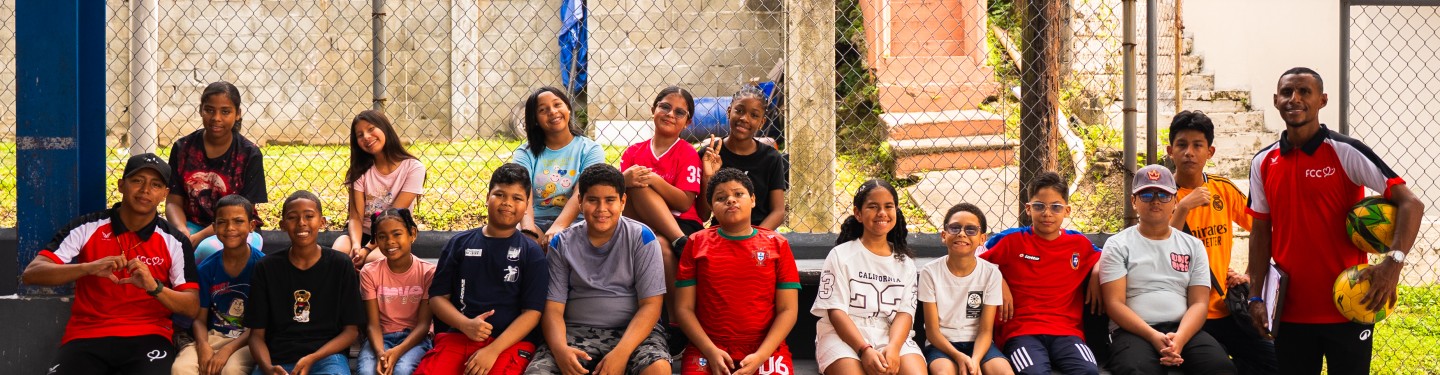
What can a paintbrush do in the face of violence? What can a football match teach us about living together? Actually, a great deal. Through art and play, children reclaim something fundamental: the ability to make choices.
They choose the colours they want to use, the stories they want to tell, the rules they want to create and the ways in which they want to work with others. A paintbrush can become a tool for expressing what is difficult to put into words. Theatre and dance allow children to explore new identities. Football turns listening, dialogue, cooperation and negotiation into tangible experiences.
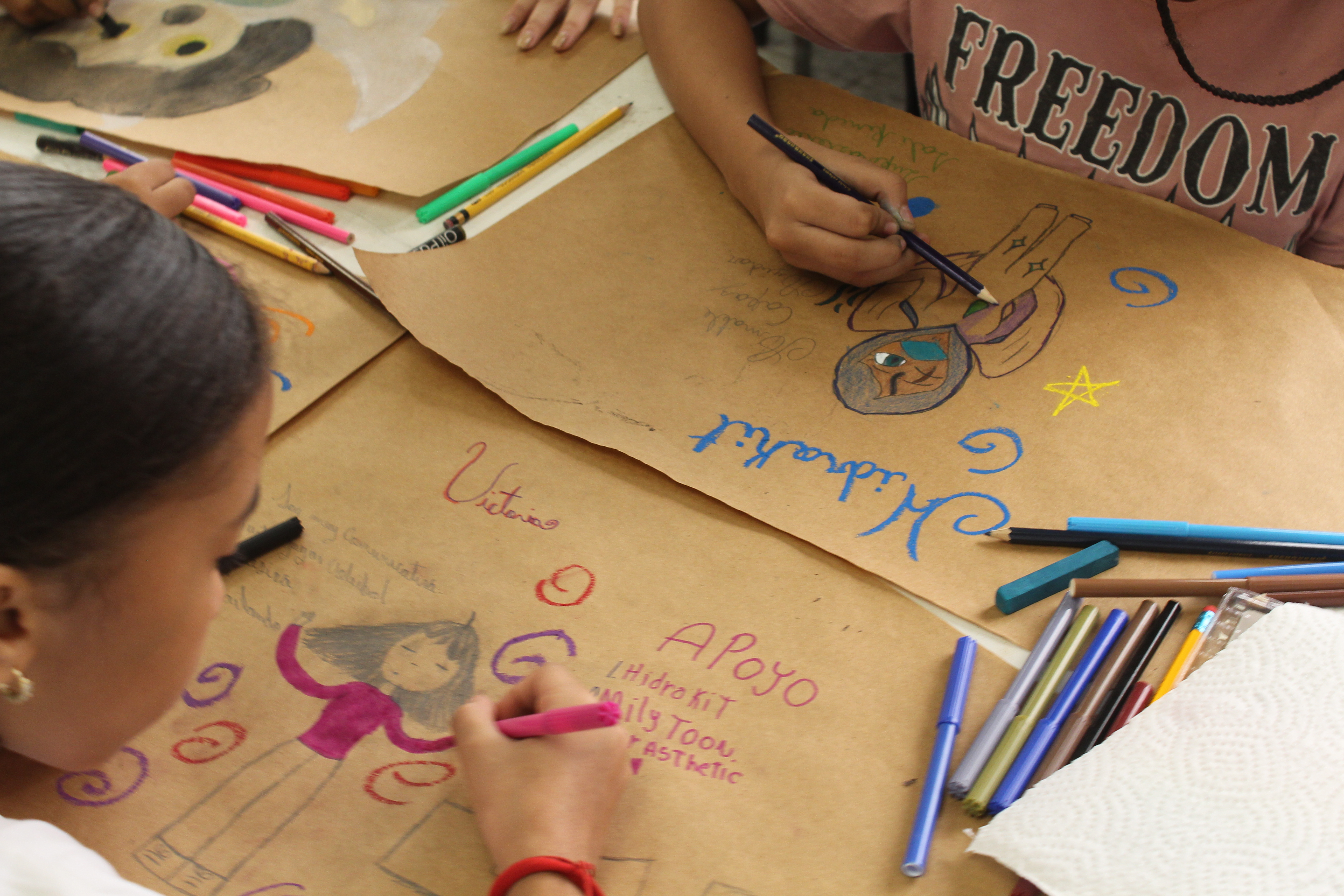
The aim is not to use art or sport simply as entertainment, but as spaces for learning and social experimentation. The pitch becomes a laboratory for learning how to live together. The mural becomes a space in which to imagine the neighbourhood we want. Play becomes an opportunity to learn that there are other ways of resolving conflicts. And when these experiences take place consistently over time, they can begin to transform the way children relate to themselves, to others and to their communities.
FROM THE INDIVIDUAL SEED TO THE COLLECTIVE WEAVE
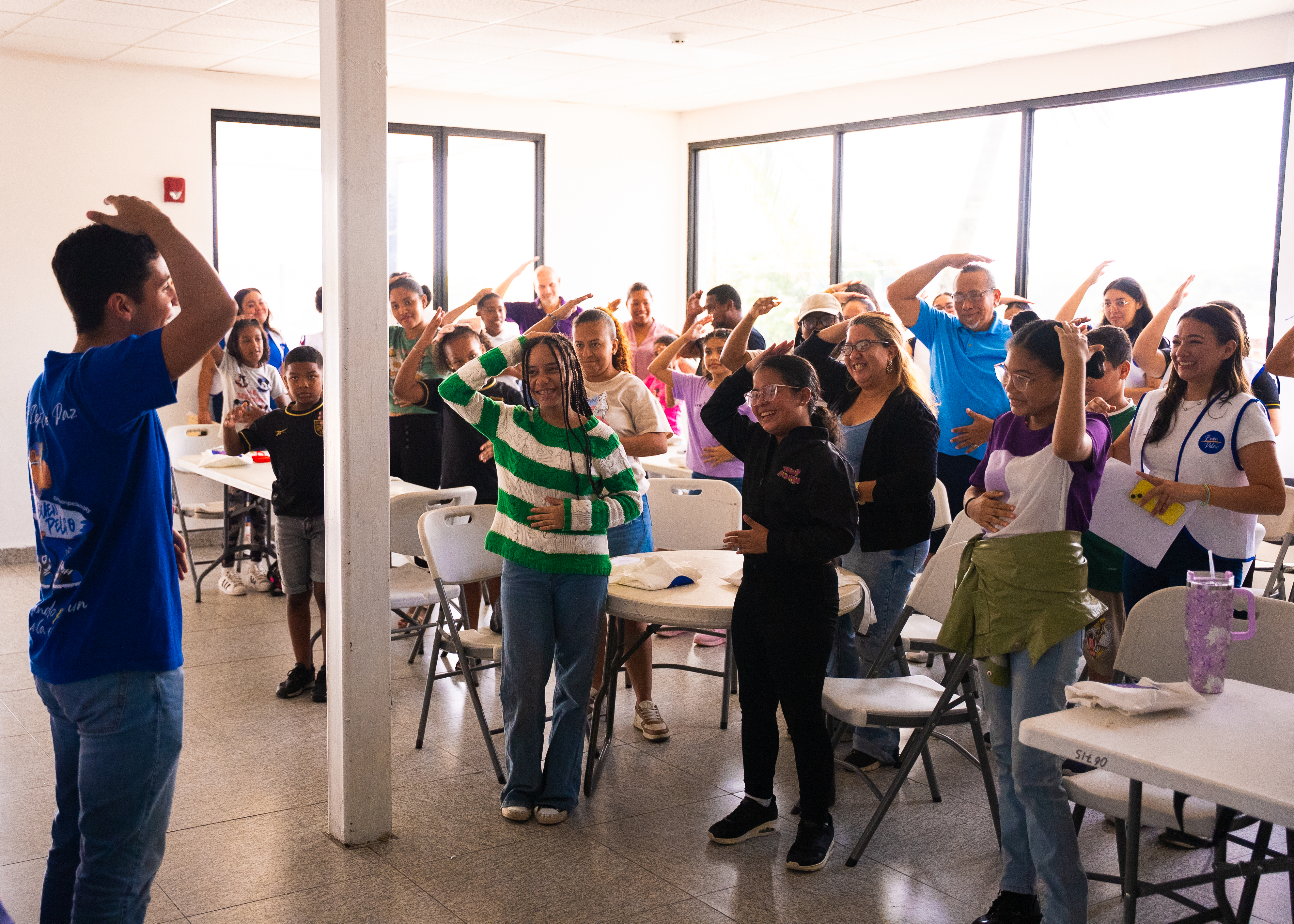
Preventing violence does not mean denying individual responsibility. It means understanding that a person’s decisions are also shaped by the opportunities, relationships and environments that surround them. That is why Buen Pela’o starts from one premise: every child has potential, but that potential needs the right conditions to grow.
We work to strengthen creativity, respect, resilience, collaboration and the ability to express oneself. But we also seek to involve families, because learning cannot remain confined to the classroom. Mothers, fathers, caregivers, grandparents, organisations, volunteers, artists, teachers, local governments and other partners are all part of the same ecosystem. No organisation can prevent violence on its own. Prevention requires shared responsibility.
That is precisely why the project has sought to build partnerships between civil society, local governments, academia, international organisations, the private sector and communities. Each actor brings something different; together, we can expand the possibilities available to children.
PREVENTION IS ALSO A POLITICAL CHOICE
Talking about prevention also means talking about public policy. If we wait for violence to appear before taking action, we are already too late. The safety of our communities cannot be built solely through coercive responses. We need policies that invest in education, opportunities, mental health, participation, safe spaces and the strengthening of social ties.
Buen Pela’o’s experience has allowed us to bring these conversations into communities while also connecting grassroots work with broader discussions about preventing armed violence and building safer societies. Public policies need data and evidence, but they also need to listen to the people living the realities they seek to transform.
WHERE ARE WE GOING?
Buen Pela’o began with a question about how children understand peace. Today, that question carries a much bigger commitment: what if, instead of waiting for violence to emerge, we worked to prevent it before it takes hold? Our approach is to begin preventing violence in childhood, when attitudes, relationships, and behaviours are still taking shape.
We are more than 50 young people who believe that young people should not be seen merely as beneficiaries of prevention policies, but as actors capable of designing, implementing and transforming solutions in their communities. That is why we champion participation, prevention, cross-sector partnerships and education to build new narratives about what it means to grow up in communities affected by violence.
Because peace does not begin when violence ends. It begins much earlier. It begins when a child discovers that they can express themselves without fear. When they learn that a conflict can be resolved through dialogue. When they find a community that listens to them. When they discover a skill they never knew they had. When they begin to imagine a different future.
And perhaps that is the true task of those of us who work for peace: not to wait to harvest the fruits of violence, but to have the courage to care for the roots. Because every child who finds an alternative, develops a new skill, builds a connection or imagines a different future is planting something.
And every seed counts.